
Asset Protection Planning | Estate Planning | Probate Law
Adaptive Trusts in Los Angeles
Do you want to protect your assets and your family’s well-being through an adaptive trust? At Talai Law Offices, we’re committed to providing you with informed guidance to help you benefit from the tax breaks, protections, and long-term benefits of a properly worded irrevocable trust in Los Angeles.
Read Our Reviews

The Adaptive Trust
A Living Trust That Becomes an Asset Protection Trust When It Needs To — and Not One Day Sooner
Most people who create a living trust do so for good reasons. A living trust can help avoid probate, plan for incapacity, organize an estate, and determine who receives your assets.
But a revocable living trust generally does not protect those assets from your creditors. Because you retain the power to revoke the trust, the assets remain available to you and may be reachable by creditors.
The traditional alternative is an irrevocable trust. An irrevocable trust may provide greater asset protection, but establishing one can require giving up control before there is any actual threat.
The Adaptive Trust is designed to address that gap.
It begins as a revocable living trust, allowing you to maintain the control and flexibility you expect. If a specifically defined and documented triggering event occurs, the trust converts according to its terms into an irrevocable asset protection trust.
The goal is to have protection available when it is genuinely needed without requiring you to give up control before that time.
How the Adaptive Trust Works
The Adaptive Trust operates in three phases.
Phase One: Revocable
This is the default phase, and where most trusts may remain indefinitely.
You retain the ability to:
- Amend the trust
- Revoke the trust
- Move assets into or out of the trust
- Serve as your own trustee
- Remain a beneficiary
During this phase, the trust functions much like a traditional revocable living trust.
Phase Two: Protected
If a defined triggering event occurs, the trust converts according to its terms into an irrevocable asset protection trust.
The conversion is designed to occur automatically based on the event specified in the trust agreement rather than because you decide that you are concerned about a potential claim.
Upon conversion:
- The trust becomes irrevocable.
- Your power to amend or revoke the trust ends.
- You cease to be a beneficiary.
- If you are serving as trustee, the designated successor trustee takes over.
- Your family becomes the beneficiaries according to the terms of the trust.
- Distributions are made according to the trust’s provisions.
This is intentional.
A structure that could simply be activated by the person facing a claim could raise questions about the timing and purpose of the conversion.
The Adaptive Trust is designed around defined, objective events.
Phase Three: Additional Jurisdictional Protection
The Adaptive Trust may also be designed to address circumstances in which domestic law is no longer sufficient for the protection contemplated by the trust.
In appropriate circumstances, administration may move to another jurisdiction, potentially including an offshore jurisdiction, according to the terms of the trust and applicable law.
This phase is not an automatic response to every claim.
It is reserved for circumstances in which additional jurisdictional protection may be appropriate.
What Triggers the Adaptive Trust?
The trust is designed around objective, documented events rather than personal concerns or judgment calls.
Depending on the specific trust agreement, potential triggering events may include:
- An insurer denies coverage for a claim against you.
- An insurer reserves its rights in circumstances indicating a significant threat.
- A settlement demand exceeds applicable insurance coverage.
- A judgment is entered against you in an amount exceeding available coverage.
- Collection activity begins, such as a levy, garnishment, lien, or charging order.
- Bankruptcy is filed by you or against you.
- A creditor seeks a receiver, attachment, or order freezing your assets.
- An action is brought challenging a prior transfer.
What Does Not Trigger It?
A lawsuit being filed, by itself, does not necessarily trigger the conversion.
Neither does:
- A demand letter by itself
- A general concern that a claim may arise
- A personal decision that you feel threatened
- A request to your attorney to activate the trust
The distinction is deliberate.
The goal is for the conversion to be based on objective circumstances that can be documented, rather than a decision made after a specific claim has already arisen.
What Changes When the Trust Converts?
Conversion is a significant event.
The trust becomes irrevocable, and the powers to amend and revoke it are relinquished.
If you are serving as trustee, you step down and the designated successor trustee takes over.
You also cease being a beneficiary, and distributions are made according to the trust’s terms.
Returning to the prior structure is intentionally not immediate. The circumstances that caused the conversion must be fully and finally resolved, followed by any additional requirements established by the trust.
Fast in. Slow out.
The purpose of this approach is to distinguish a pre-existing planning structure from a trust that is changed simply because a particular lawsuit has appeared.
The specific consequences of conversion depend on the trust agreement, applicable law, and your individual circumstances.
Why Timing Matters
Asset protection planning is fundamentally about timing.
A structure established while circumstances are calm is different from transferring assets after a lawsuit, judgment, or creditor claim has already appeared.
Once a claim exists, actions taken to move or restructure assets can receive significant scrutiny.
The Adaptive Trust is designed to be established before a problem arises and to remain in its normal revocable phase until a defined event occurs.
That is why the conversation should happen before there is a crisis.
Who May Benefit From an Adaptive Trust?
An Adaptive Trust may be worth considering for individuals whose potential exposure is meaningful and ongoing.
This may include:
- Physicians
- Dentists
- Other licensed professionals
- Real estate investors
- Apartment and commercial property owners
- Business owners
- Professionals with significant liability exposure
- Individuals whose net worth has grown beyond the protection provided by their insurance
The appropriate planning depends on your assets, liabilities, insurance, business structure, family circumstances, and long-term objectives.
Free Asset Protection Guide for Real Estate Investors
If you own rental properties or other real estate investments, download our free Asset Protection Guide for Real Estate Investors to learn more about strategies for protecting your properties and building a stronger asset protection plan.
Download the Free Asset Protection Guide for Real Estate Investors
Who May Not Need an Adaptive Trust?
An Adaptive Trust is not appropriate for everyone.
It may not be necessary for someone whose insurance coverage and existing entity structure adequately address their realistic exposure.
It may also be unnecessary for someone who is still early in building wealth and whose simpler planning structures are sufficient.
And if you are already facing a known claim or legal threat, the appropriate strategy may be different.
Good planning is not about creating the most complicated structure possible.
It is about creating the structure that actually fits your circumstances.
| Feature | Revocable Living Trust | Adaptive Trust |
|---|---|---|
| Probate planning | Yes | Yes |
| Incapacity planning | Yes | Yes |
| Revocable during normal circumstances | Yes | Yes |
| You may serve as trustee | Yes | Yes, during the revocable phase |
| You may remain a beneficiary | Yes | Yes, during the revocable phase |
| Asset protection while revocable | Generally no | Generally no |
| Defined conversion mechanism | No | Yes |
| Can become irrevocable upon defined events | No | Yes |
| Designed to address future creditor threats | Limited | Yes |
The Adaptive Trust does not eliminate the need for sound insurance, business entities, estate planning, or other asset protection measures.
Instead, it can be one component of a broader strategy.
Your Existing Living Trust May Be the Starting Point
If you already have a revocable living trust, you may not need to start from scratch.
Depending on the existing document, its funding, and applicable law, your current trust may be able to be reviewed and restated as part of an Adaptive Trust strategy.
The important questions include:
- What assets are currently in the trust?
- How are those assets titled?
- Who are the current trustees?
- Who are the beneficiaries?
- What creditor exposure exists?
- What insurance coverage do you have?
- What business or professional risks do you face?
- What flexibility does your existing trust provide?
The answer should come from reviewing your actual plan rather than assuming that a new structure is automatically necessary.
The Adaptive Trust and Asset Protection
No asset protection structure makes anyone completely judgment-proof.
The purpose of sophisticated asset protection planning is to change the economics of pursuing assets and make collection more difficult, expensive, and uncertain.
An Adaptive Trust should therefore be viewed as part of a broader asset protection strategy.
Depending on your circumstances, that strategy may also involve:
- Insurance
- LLCs and other business entities
- Real estate ownership structures
- Retirement accounts
- Estate planning
- Business succession planning
- Other trust structures
Each component should work together rather than operate independently.
What Does the First Conversation Look Like?
We start with your assets and your risk — not with a document.
Before recommending an Adaptive Trust, we want to understand:
- What you own
- How your assets are titled
- Your insurance coverage
- Your business and professional exposure
- Your existing estate plan
- Your family circumstances
- Your potential creditor risks
The goal is to determine whether an Adaptive Trust actually belongs in your overall plan.
Education comes first.
Fit comes second.
Implementation comes only when both are clear.
If the answer is that you do not need an Adaptive Trust, you should hear that plainly.
Is an Adaptive Trust Right for You?
An Adaptive Trust may be worth exploring if:
- You already have a living trust but are concerned about creditor protection.
- You own significant California real estate.
- You are a real estate investor or apartment owner.
- You are a physician, dentist, or other licensed professional.
- You own a business and have personal exposure.
- Your wealth has grown beyond your available insurance coverage.
- You want to explore asset protection without immediately giving up control of your assets.
- You want your estate plan to anticipate future changes rather than simply address your current circumstances.
The right answer depends on your individual situation.
The Next Step
Bring a general picture of what you own, how your assets are titled, your existing estate planning documents, and the risks you are concerned about.
An initial consultation can help determine whether an Adaptive Trust belongs in your plan and, if so, how it should fit alongside the planning you already have.
Schedule a Confidential Consultation
Talai Law Offices
6300 Canoga Avenue, Suite 550
Woodland Hills, California 91367
747-836-0436
Schedule A Call
Important Disclaimer
This page describes an estate planning and asset protection approach in general terms and is not legal advice. No asset protection strategy can guarantee protection from every creditor, lawsuit, or legal claim. Whether an Adaptive Trust is appropriate depends on your individual circumstances, the structure and timing of the plan, applicable law, and the terms of the trust agreement.
Reading this page does not create an attorney-client relationship. The law may change, and individualized legal advice requires a review of your specific circumstances.
Contact Us
The Highest Quality of Legal Service

Estate Planning, Business Planning, and Probate Attorney
Ali Talai, Attorney at Law
schedule a call todayTRUST US WITH YOUR LEGACY
Professional Associations

MEET THE TEAM
Meet Our Team
We Have A Dedicated Group Of Professionals Ready To Protect Your Assets And Pursue Your Goals.

Ali Talai, Esq., LL.M.
Founder
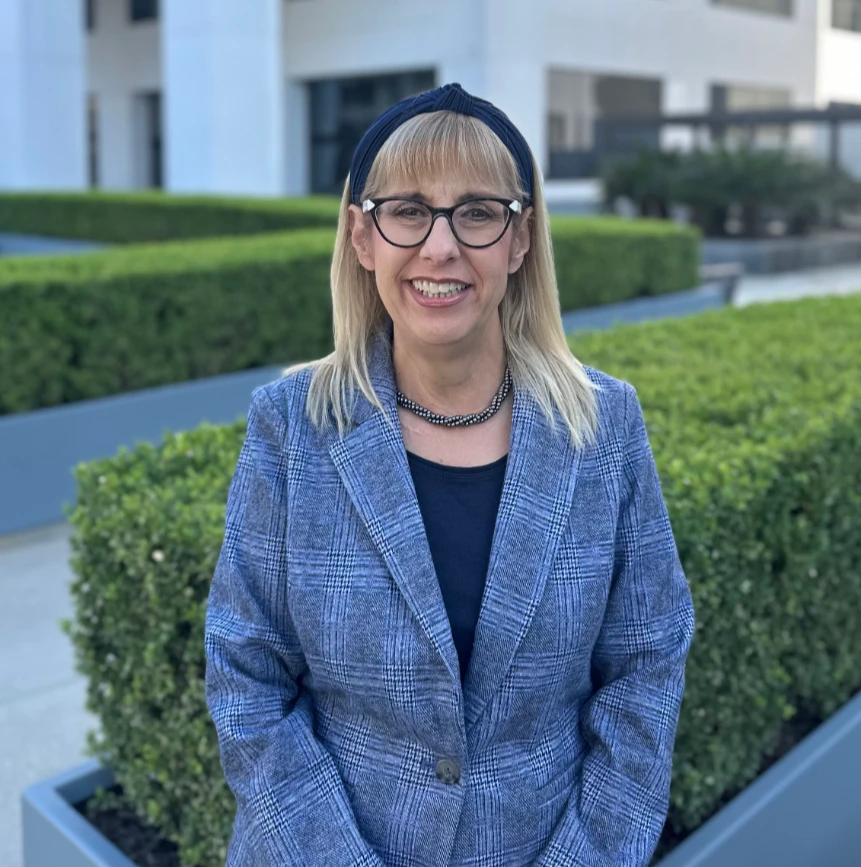
Edi Stiles
Associate Attorney
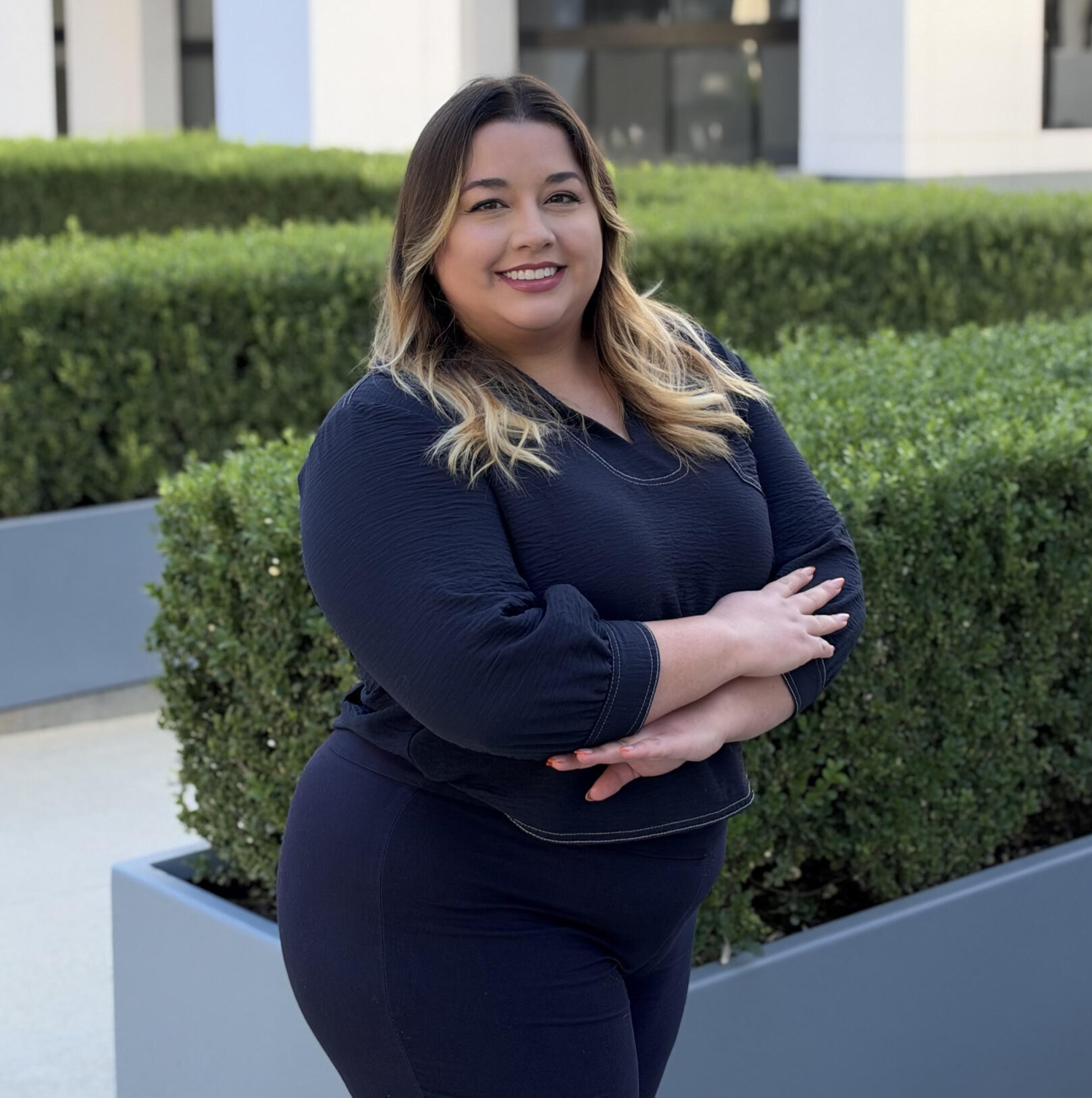
Tara H. McHill
Paralegal

Helia Zahedi Tehrani
Legal Assistant
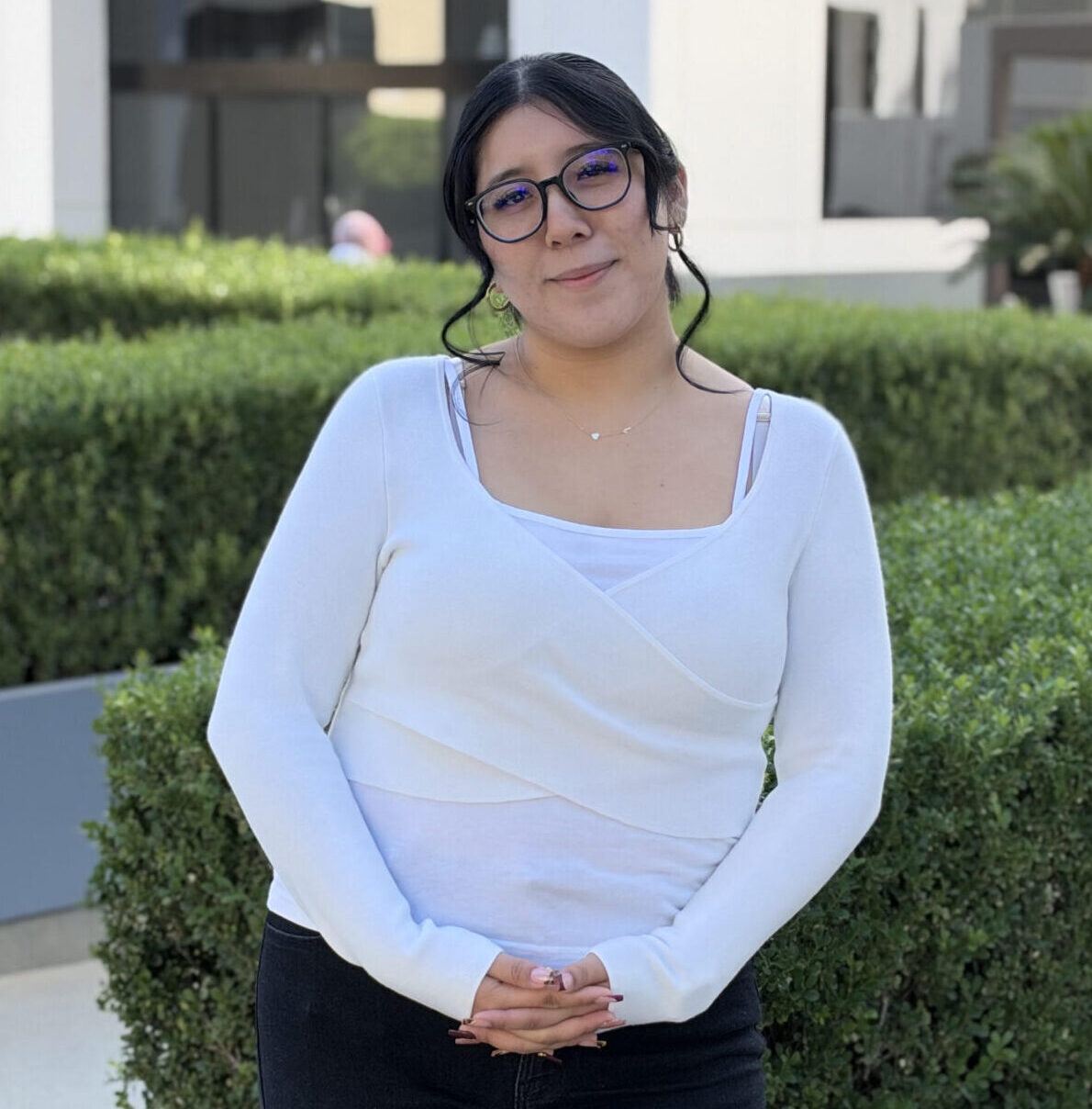
Jhocelin Rivera
Legal Secretary

Aeri Surwin
Legal Secretary
Questions or Schedule an Appointment
Our Flat-fee Basis Encourages Thorough Discussion To Comprehensively Plan For Your Unique Estate Planning Needs And Goals. Start The Process Today By Requesting An Initial Consultation.
Click to Call: (818) 285-2850
Click to Call: (818) 285-2850
OUR VIDEOS
Talai Law Office Videos
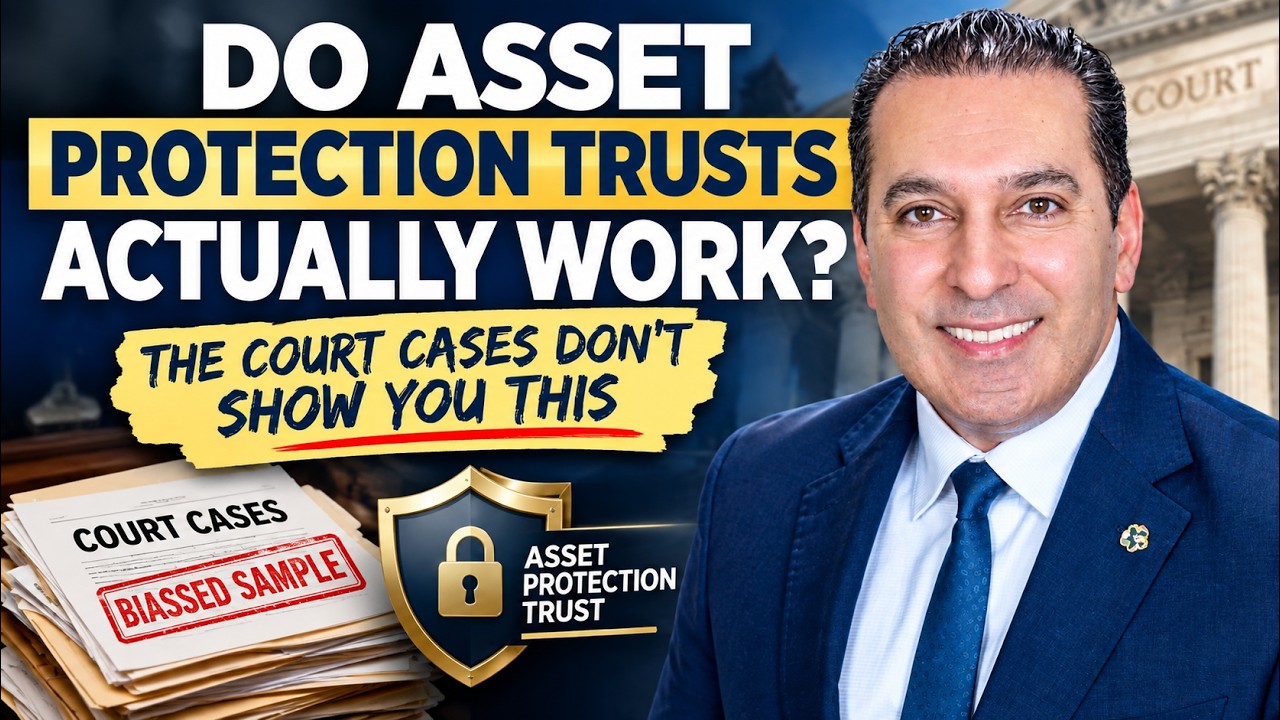
Do Asset Protection Trusts Actually Work? The Court Cases Don’t Show You This

The #1 SECRET the Wealthy Use to Protect Their California Assets
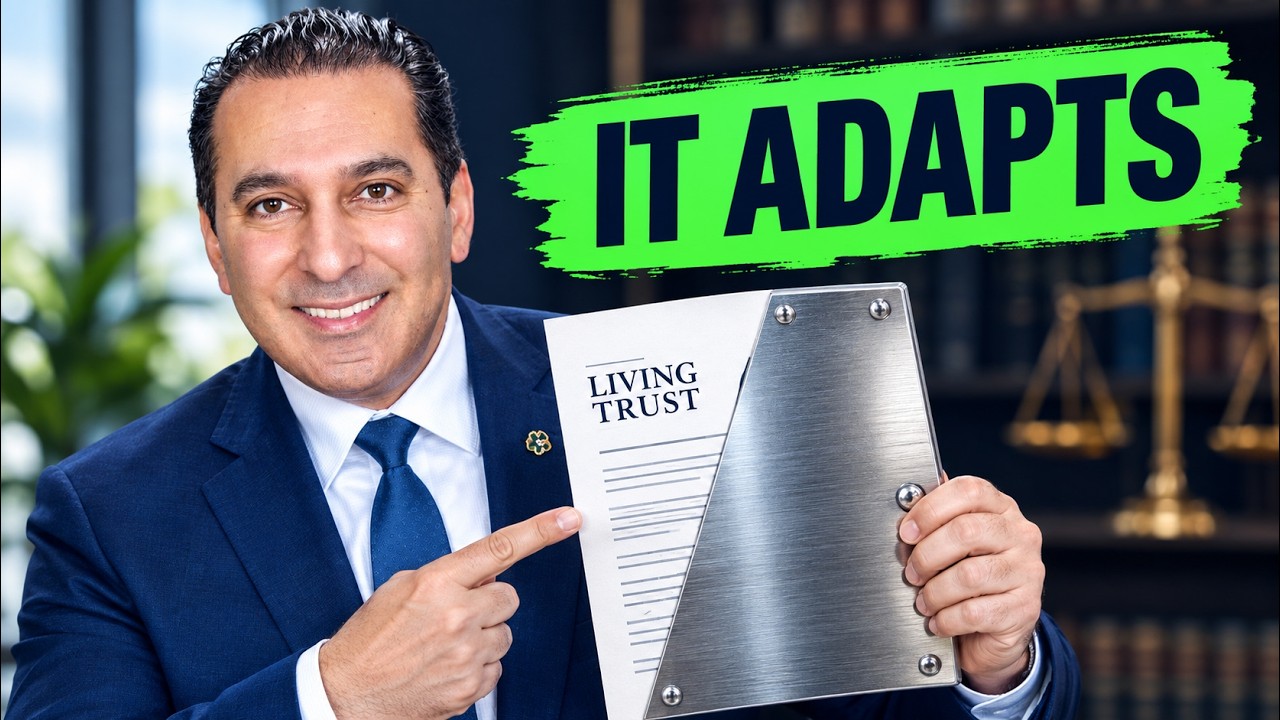
The Living Trust That Fights Back: How an Adaptive Trust Protects Your Assets
START BUILDING YOUR ESTATE STRATEGY
Envision Your Legacy Now
At Talai Law Offices, We Guide You Through The Steps To Strategize, Prepare, And Fulfill Your Estate Plan

For Your
Future

For Your
Family

For Your
Business
CLIENT TESTIMONIALS
Real Clients, Real Reviews
“Working with your firm has been a tremendously rewarding and educational experience. I work with attorneys from all walks of life on a daily basis and your approach really sets you apart from the rest. From the Initial call about our need for estate planning…..”
John S. Hendrickson
Calabasas, CA
Securing Your Legacy, In 3 Simple Steps


Discussing Your Assets & Goals
First, we will closely assess your needs to determine the right approach to protect your future, your family, and your business interests.

Drafting Your Estate Plan
Next, we prepare the estate planning legal instruments you need in order to address the relevant assets and concerns under the law.

Funding Your Trusts
Our full-time Funding Coordinator works to place the designated assets within your drafted trusts at the appropriate times, protecting them from expensive court processes or the State.

My weekly radio program on 670 AM KIRN
(Fridays at 930 a.m.)

“Estate Plan Answers”
Aired on KCAL 9 Weekly.
Los Angeles Media Appearances
I firmly believe that knowledge is power, and I am devoted to sharing my knowledge of estate and business planning in the community. I currently have a weekly radio show on KIRN 670 AM (on Fridays from 9:30 a.m. to 10:00 a.m.). Each week, I discuss various aspects of estate planning, including explanations of the different types of trusts that people can create to protect their families against the long and costly process of probate, steps to prevent possible lawsuits in the future, and avoiding estate taxes.
As much as I like to be the attorney to help everyone in my community, I know that will not be possible. However, I truly hope that my radio program and my weekly blog posts could provide a greater number of families with the awareness and education needed to realize how important this kind of planning is for every family — and I encourage them to seek counsel from a well-educated and experienced estate planning attorney to address their estate planning needs.
BLOGS
Related Blogs
Press Releases
Related Press Releases
Frequently Asked Questions About Adaptive Trusts in Los Angeles

SUBSCRIBE TO OUR NEWSLETTER
Stay Informed and Connected
Stay Informed By Signing Up For Our Newsletter!
Resources


FREE Asset Protection
Guide
5 Ways to Protect Your Real Estate Portfolio from Greedy Lawyers!
It’s Wise To Start Asking Questions And Preparing Your Estate Plan Early, Before Events Force Your Hand. We Work On A Flat-fee Basis To Encourage Conversation So We Can Tailor A Plan For Your Unique Needs And Goals. Request An Initial Consultation To Start The Process. You can click here to schedule your appointment.
Contact Us Today!
Contact Us, & We’ll Guide You Through Your Next Steps!
<div class="et_pb_code_inner"><!-- Start Lawmatics Embedded Snippet -->
<iframe frameborder="0" scrolling="no" src="https://app.lawmatics.com/forms/embedded/51546b74-8f7f-400d-809d-f5cc1d3ad4f1" id="iFrameResizer0" style="width: 1px; min-width: 100%; overflow: hidden; height: 1167px;"></iframe><script id="lm-embedded-script">
!function(e,t,n,a,s,c,i){if(!e[s]){i=e[s]=function(){i.process?i.process.apply(i,arguments):i.queue.push(arguments)},i.queue=[],i.t=1*new Date;var o=t.createElement(n);o.async=1,o.src=a+"?t="+Math.ceil(new Date/c)*c;var r=t.getElementsByTagName(n)[0];r.parentNode.insertBefore(o,r)}}(window,document,"script","https://navi.lawmatics.com/intake.min.js","lm_intake",864e5),lm_intake("51546b74-8f7f-400d-809d-f5cc1d3ad4f1");
</script>
<!-- End Lawmatics Embedded Snippet -->
</div>